
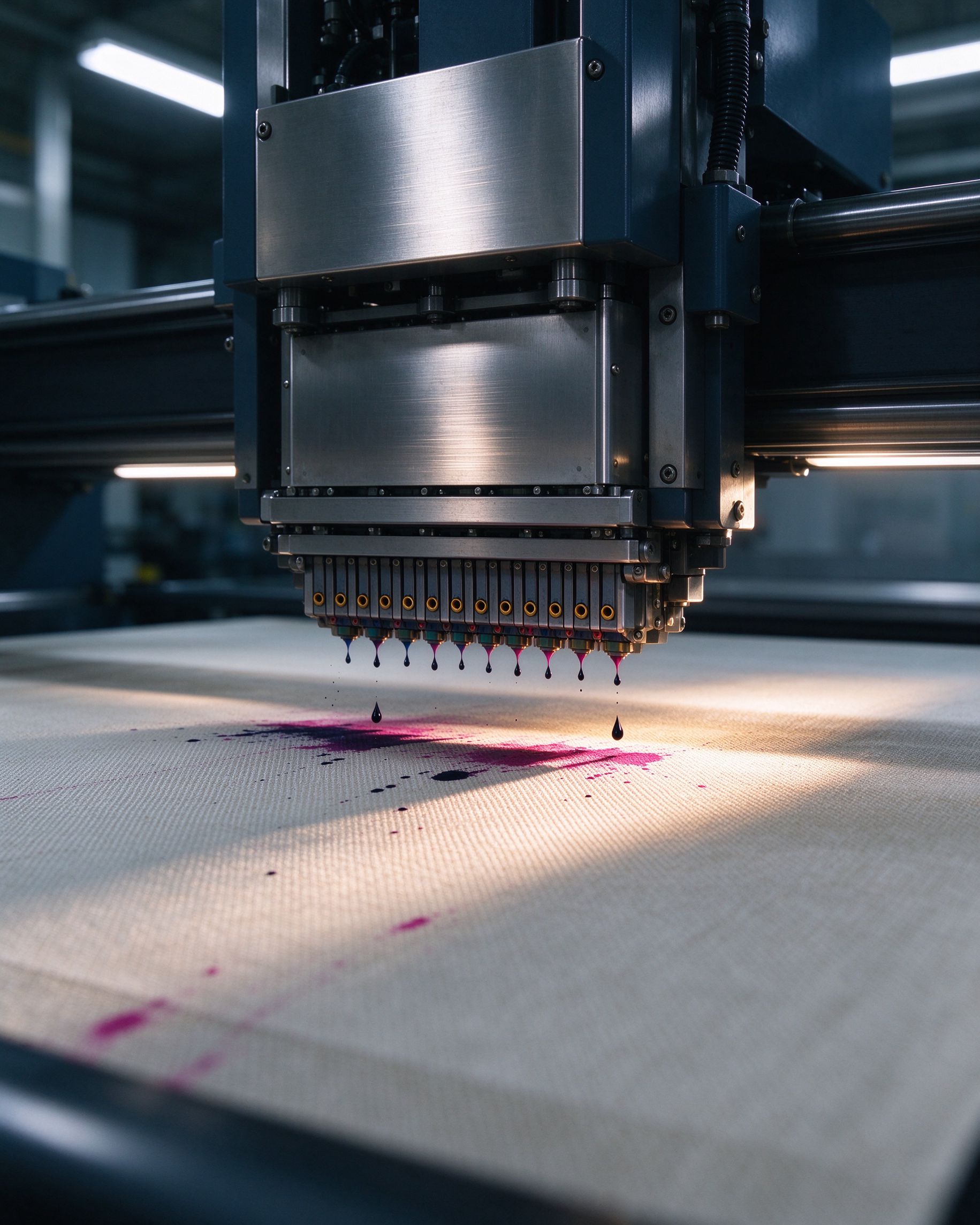
When Do You Need a Padding Mangle and Drying Range?
A padding mangle (a padder for textile finishing) applies treatment liquor to open-width fabric by passing it through a trough between bowls; mangling then squeezes the fabric to a controlled liquor pickup. The LMH101 padding mangling and drying range joins these two steps to continuous drying in one line.
It is used for open-width padding, mangling and drying of pure cotton, chemical fiber and blended fabrics - the standard preparation sequence before dyeing or finishing, where the fabric must be evenly wetted, squeezed and dried without creasing.
A continuous padding and drying range suits mills running steady volumes of one fabric type, where batch machines or pad-box batching are too slow to keep up with the line downstream.
Core Parameters & Technical Data
Application: this combined range is used for open-width padding, mangling and drying.
Fabrics: pure cotton, chemical fiber and blended fabrics.
Layout: padding (liquor application through the padder), mangling (squeeze and liquor-pickup control) and drying combined in one continuous open-width range.
Open-width processing throughout, so woven cotton and blends run flat rather than in rope form.
Exact working width, speed and configuration are engineered to your fabric and process requirements - please share your fabric type, width and treatment liquor, and our engineers will confirm the parameters.
How to Choose the Right Padding Mangle and Drying Range
Match the range to your fabric family. The LMH101 covers pure cotton, chemical fiber and blended fabrics processed open-width.
Decide the bowl configuration by your process. A two-bowl padding mangle is common for straightforward padding; a three-bowl padding mangle allows more precise squeeze and pickup control on sensitive goods.
Check mangling pressure control. Uniform squeeze keeps liquor pickup even, and uneven pickup shows up directly as uneven add-on and shade later.
Balance padding speed against drying capacity. The line only runs at the speed of its slowest section - if the dryer cannot keep up, the padding section stalls with it.
Specify open-width guidance for blends that tunnel, curl or mark easily, so the fabric stays flat from padder to dryer.
Buy from a factory that designs its own finishing ranges and supports installation and commissioning, rather than sourcing padding and drying as separate mismatched units.
Common Mistakes Buyers Make
Buying padding and drying as separate machines without matching speed and pickup. A combined range like the LMH101 avoids that mismatch by design.
Under-sizing the drying capacity. The whole line cannot run faster than its dryer, and the bottleneck costs you output every day.
Ignoring mangling pressure control. Uneven squeeze means uneven liquor pickup, which becomes uneven add-on and shade after finishing.
Forgetting open-width guidance for blends. Fabric that tunnels or curls off the padder ruins the even treatment the line is meant to deliver.
Ordering without confirming the process. Tell the factory your fabric, width and treatment liquor so the range is engineered for your actual job, not a generic spec.
Why Buy from Wuxi Runda
We are a production factory founded in 2004, located in Qianzhou, Wuxi - inside Jiangsu's dyeing machinery industrial cluster, close to component supply and an experienced skilled workforce.
We cooperate with textile research institutes and technical colleges year-round on dyeing and finishing equipment and processes, and design and develop our own series of finishing and drying products.
Our ranges are built for small batches, multiple varieties and low energy consumption, with reliable, stable performance for everyday production.
Our equipment is exported to Vietnam, India, Bangladesh, Indonesia, Pakistan, Japan, Thailand and other Southeast Asian markets, with complete after-sales service including installation, commissioning, spare parts and operator training.
Frequently Asked Questions
What is a padding mangle?
A padding mangle, or padder, applies treatment liquor to open-width fabric by passing it through a liquor trough between bowls, then squeezes it to a controlled pickup. In the LMH101 it is combined with mangling and drying in one continuous range.
Which fabrics can the LMH101 process?
The range is used for open-width padding, mangling and drying of pure cotton, chemical fiber and blended fabrics.
What is a padding mangling and drying range used for?
It performs open-width padding, mangling and drying continuously in one line - the standard preparation step before dyeing or finishing, where fabric must be evenly wetted, squeezed and dried.
What is the difference between a two-bowl and three-bowl padding mangle?
A two-bowl padding mangle suits straightforward padding; a three-bowl padding mangle gives more precise squeeze and pickup control on sensitive goods. Tell us your process and we will recommend the right configuration.
Can the range be configured to our fabric width?
Yes. Working width, speed and auxiliary configuration are engineered to your requirement. Share your fabric type, width and treatment liquor, and our engineers will confirm the design.
Related Buying Guides
Get a Quote for LMH101 Padding Mangling & Drying Range
Tell us your fabric type, working width and process requirements. Our engineers will recommend the right configuration and send you a detailed quotation.