
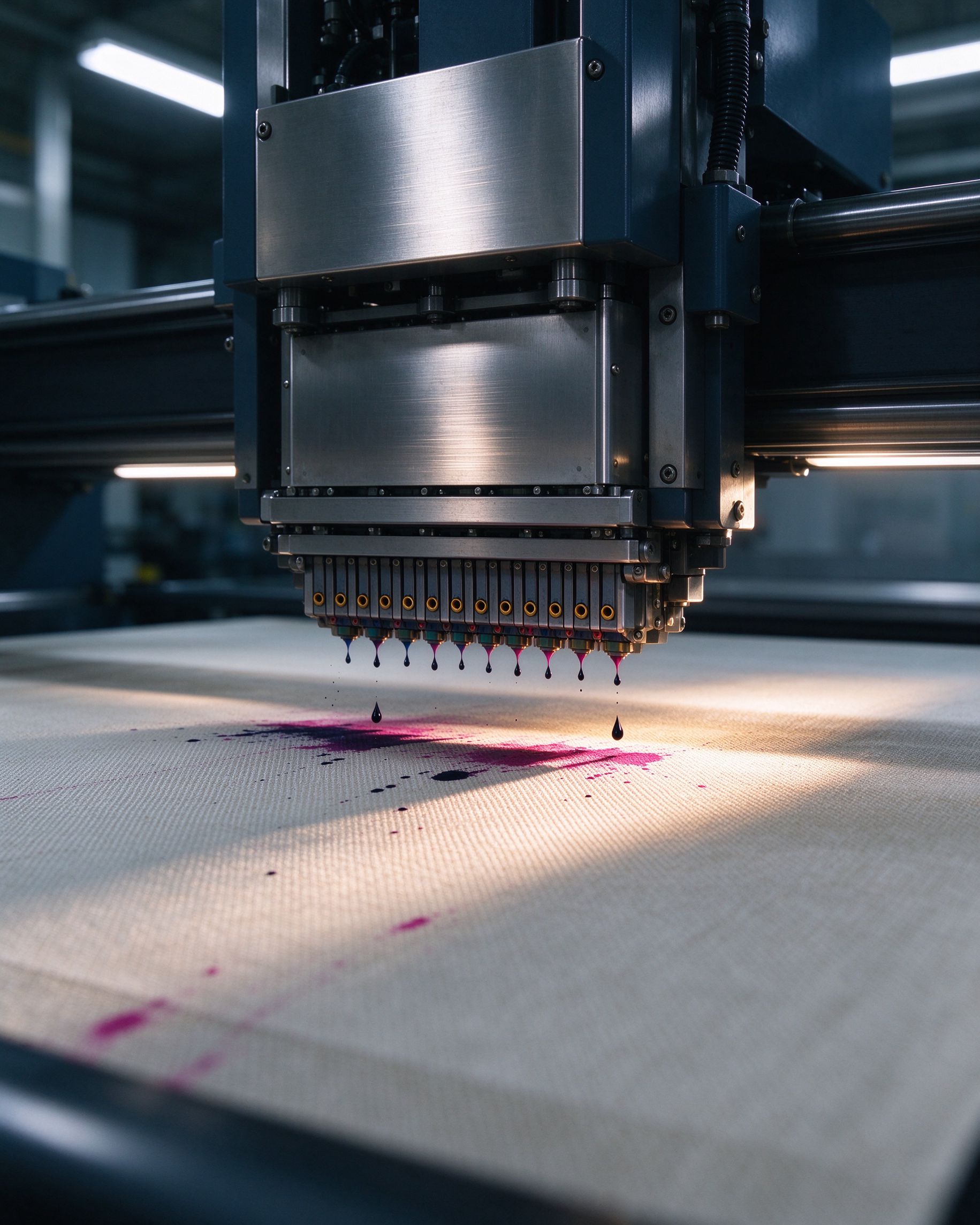
When Do You Need a Textile Relax Dryer?
A textile relax dryer is the tensionless dryer that follows scouring, bleaching or dyeing on knitted fabric. Instead of pulling the wet cloth through heated cylinders or a tensioned stenter chain, a relax dryer lets the fabric relax, shrink and dry freely on a conveyor fed with overfeed, so the handle comes out soft and natural rather than stretched.
Knitted tubes in particular - cotton jersey, interlock, rib and circular-knit sweatshirt fabric - would curl, narrow or turn hard if dried under tension. The Runda Relaxed Dryer is built exactly for this: it opens circular knit with a circular guide, feeds the cloth in with overfeed, and carries it off on a tension-free exit conveyor.
It also works as an open width relax dryer: a herringbone expander handles flat goods that cannot afford stretch, and it serves well as a fabric dryer after dyeing for shops running small-batch, multi-variety knit finishing.
Core Parameters & Technical Data
Fabric entry: one or more fabric pieces can be fed in at the same time, and the cloth enters the drying conveyor with overfeed, which keeps it loose rather than taut.
A herringbone expander is available for open-width fabrics, so flat goods spread evenly on the conveyor.
Fabric entry guide: a circular guide opens circular knitted fabric before it reaches the conveyor; other guide types can be fitted according to your fabric characteristics.
Fabric exit: the drying conveyor carries the cloth directly onto a tension-free exit conveyor, and a swing device delivers it out at low tension - the soft, excellent hand feel that relax drying is known for.
Because the line is built around overfeed and a tension-free exit rather than a tensioned chain, it suits tension-sensitive tubular knit and open-width goods. Tell us your fabric construction and width, and we will confirm the exact guide and conveyor arrangement.
How to Choose the Right Relax Dryer
First decide tubular versus open-width. If you mainly run circular-knit tubes, the circular entry guide is essential; if you run flat woven or open-width knit, specify the herringbone expander. Many buyers choose a line that covers both.
Match overfeed to your fabric's relaxation needs. The overfeed feed is what lets the cloth buckle and relax instead of stretching; verify the conveyor actually feeds with overfeed and not at matched tension.
Check the exit. A tension-free exit conveyor plus swing delivery protects hand feel; a simple winder that pulls the cloth will undo the relaxation gained inside the machine.
Think about lay-in. The machine accepts one or more fabric pieces, which matters if you want to run narrow goods side by side to lift productivity.
Plan upstream and downstream. A relax dryer usually sits after a wet process and before inspection or rolling, so confirm infeed/outfeed direction and floor space.
Choose a production factory that can configure entry guides to your fabric rather than supply a one-size unit.
Common Mistakes Buyers Make
Buying a stenter-style dryer for knit. Drying tubular knit under stenter tension narrows and hardens the fabric; you need a genuine relax dryer with overfeed.
Forgetting the circular guide. Feeding unopened tubular knit onto a flat conveyor causes folds and marks; the circular opener guide is what keeps the tube flat and square.
Ignoring exit tension. If the fabric is pulled off the exit by a tight winder, the relaxation gained inside is lost - insist on a tension-free exit conveyor with swing delivery.
Under-planning fabric variety. The machine handles small batches well, but guides and expanders differ between tubular and open-width goods; spec the changeover kit you actually need.
Buying from a trader without a configurable guide set. Tension-sensitive knit rewards a machine whose entry guides are fitted to your specific fabric.
Why Buy from Wuxi Runda
We are a production factory founded in 2004, located in Qianzhou, Wuxi - at the heart of Jiangsu's dyeing and finishing machinery industrial cluster, with component suppliers and skilled workers close by.
We cooperate with textile research institutes and technical colleges year-round on dyeing and finishing equipment and processes, and design and develop our own series of drying and finishing machines.
Our machines are built for small batches, multiple varieties and low energy consumption, with reliable, stable performance - a practical fit for modern knit finishing shops.
Our equipment is exported to Vietnam, India, Bangladesh, Indonesia, Pakistan, Japan, Thailand and other Southeast Asian markets, backed by complete after-sales service including installation, commissioning, spare parts and operator training.
Frequently Asked Questions
What is a textile relax dryer used for?
It is a tensionless fabric dryer used mainly after dyeing, washing or bleaching on knitted and open-width goods. The cloth enters with overfeed, relaxes on a conveyor, and leaves on a tension-free exit conveyor with swing delivery, preserving a soft hand feel.
Can it process tubular knit fabric?
Yes. A circular entry guide opens circular knitted fabric before it reaches the conveyor. Other guide types can also be fitted to match your specific fabric construction.
What is the difference between a relax dryer and a stenter?
A stenter holds the fabric at width under tension with pins or clips; a relax dryer feeds the cloth with overfeed and lets it shrink and relax freely, which is essential for tubular knit that would otherwise narrow or go hard.
Does the machine handle open-width fabric too?
Yes. A herringbone expander is available for open-width fabrics, and one or more fabric pieces can be fed in at the same time.
How do I choose the right configuration?
Tell us your fabric type (tubular knit versus open-width), width and the wet process upstream, and we will confirm the entry guides, expander and exit arrangement for your requirement.
Related Buying Guides
Get a Quote for Runda Relaxed Dryer
Tell us your fabric type, working width and process requirements. Our engineers will recommend the right configuration and send you a detailed quotation.